Understanding motorcycle training costs involves using a DMV fee calculator to estimate fees for licensing, registration renewal, equipment, and instruction. Costs vary by location, license type, and program, with basic training ranging $50-$400. Reputable services like Quick Auto Tags simplify processes, saving time and money. Transparent pricing from training schools ensures clear budgeting. Efficient DMV navigation using the calculator prevents overpayment. Strategic cost management enhances safety and riding experience, reflecting long-term savings.
Motorcycle training is a significant step for aspiring riders, offering not just the skills to operate a powerful machine but also enhanced safety and freedom. However, navigating the costs associated with this endeavor can be challenging. Many potential students wonder, “How much does motorcycle training cost?” This article provides an authoritative guide to demystify these expenses, including instruction fees, gear requirements, and perhaps most crucially, how to leverage a DMV fee calculator for transparent budgeting. By the end, you’ll have a comprehensive understanding of what to expect financially on your journey to becoming a confident motorcyclist.
- Understanding Motorcycle Training Requirements
- Factors Influencing Training Cost Estimates
- Finding Reputable Schools: A Comprehensive Guide
- Utilizing DMV Fee Calculator for Financial Planning
- Breakdown of Training Expenses: What to Expect
- Maximizing Insurance Benefits for Cost Savings
Understanding Motorcycle Training Requirements

Understanding Motorcycle Training Requirements is a critical step before diving into motorcycle training. The cost of training can vary widely depending on several factors, including your location, the type of license you’re pursuing (e.g., standard, advanced), and whether you opt for formal classes or individual instruction. A key component in budgeting is the DMV fee calculator, which allows you to estimate costs associated with motorcycle registration and licensing. In California, for instance, a new motorcycle license can range from $50 to over $200, not including training costs.
Many aspiring motorcyclists overlook the administrative aspects of getting licensed. After completing your training, you’ll need to pass a written and riding test at the Department of Motor Vehicles (DMV). The DMV fee calculator is useful here too, as these fees can add several hundred dollars to your overall cost. Additionally, keeping your vehicle registration up-to-date is essential. In California, same-day vehicle registration renewal services are available, though they come at a premium. For the frugal learner, understanding these requirements and planning accordingly can save time and money—considering that motorcycle training isn’t just about mastering the machine but also navigating administrative labyrinths.
To streamline this process, seeking professional help from experts like Quick Auto Tags for DMV registration renewal in California can be immensely beneficial. Their services ensure accuracy and speed, potentially saving you from costly mistakes or delays. Remember, while the cost of motorcycle training might seem intimidating at first, breaking down these expenses into manageable components—like understanding DMV fee calculator tools and leveraging specialized support—can make your journey onto two wheels smoother and more affordable.
Factors Influencing Training Cost Estimates
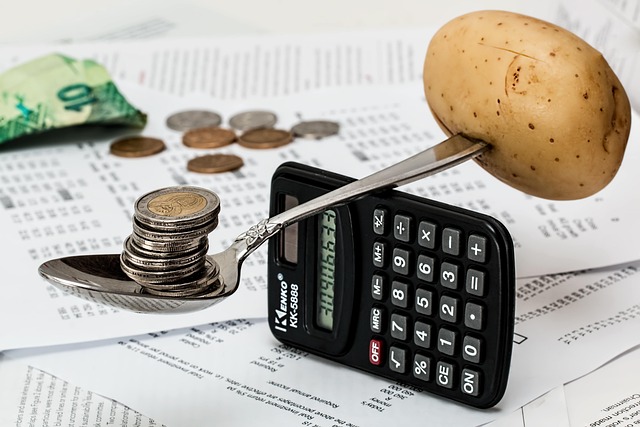
Estimating the cost of motorcycle training can be a daunting task, as various factors come into play. One essential element to consider is the DMV fee calculator, which varies across jurisdictions. In California, for instance, the vehicle registration renewal cost can significantly impact overall expenses. It’s crucial to stay updated on these fees and their expiration dates, as they are subject to change. A simple check online or using a convenient DMV fee calculator ensures you’re prepared for these recurring costs.
The type of training program is another significant influencer. Basic motorcycle safety courses often have standardized fees, ranging from $50 to $200, depending on the organization and duration. However, advanced riding courses or specialized training might command higher rates due to the increased level of expertise required. For instance, a comprehensive motorcycle instructor’s rate could range anywhere from $40 to $100 per hour, with longer sessions typically offered at a discounted rate.
Furthermore, location plays a critical role. Urban areas often have higher living and training costs due to increased demand and operational expenses. Conversely, rural regions might offer more affordable options, including lower instructor fees and reduced vehicle registration renewal costs in California. It’s worth noting that some states provide fast DMV registration renewal services for an additional fee, ensuring prompt access to your license and potentially saving time overall.
To streamline the process, consider using a reputable service like Quick Auto Tags, known for its convenient DMV renewal process. By factoring these variables into your budget, you’ll gain a clearer picture of what to expect financially. Remember, meticulous planning is key to ensuring a smooth transition from learner to licensed motorcyclist without unnecessary surprises.
Finding Reputable Schools: A Comprehensive Guide

Finding reputable motorcycle training schools is a crucial step in ensuring a safe and successful learning experience. When budgeting for your journey to become a motorcyclist, understanding the associated costs is essential. One aspect often overlooked is the varying expenses related to licensing and registration—a factor that can significantly impact your overall financial plan.
Commencing with the DMV fee calculator, this tool provides an estimate of the costs involved in obtaining your motorcycle license. Fees vary by jurisdiction but typically include a knowledge test fee, a skills test fee, and a license application fee. It’s important to remember these are base costs and may not account for additional services or requirements specific to your area. For instance, some states might mandate a safety inspection of your motorcycle, adding another layer of expense.
Private registration services also contribute to the overall cost, especially when considering the vehicle registration expiration date and renewal processes. Quick Auto Tags, for example, offers a convenient DMV renewal process, streamlining the often-time-consuming task of renewing vehicle registration. These services can be beneficial in saving time and potentially reducing stress during what can be a bureaucratic process. Data suggests that an average motorcycle owner may save up to 2 hours per year by utilizing such efficient registration services.
When researching schools, look for institutions that provide transparent pricing structures. Reputable training programs should offer a comprehensive breakdown of costs, including equipment rental, range time, and instructor fees. Some schools even include private registration assistance as part of their package, ensuring a holistic learning experience. This approach to budgeting ensures you have a clear understanding of all expenses related to your motorcycle education and licensing journey.
Utilizing DMV Fee Calculator for Financial Planning

Planning for motorcycle training involves more than just mastering the skills; it’s also about managing your finances effectively. One valuable tool in this process is the DMV Fee Calculator, which can help you budget accurately for various expenses associated with obtaining a motorcycle license and registering your vehicle. In California, where DMV registration renewal processes are streamlined, including instant car tag renewal online, understanding these costs is crucial for responsible financial planning.
The DMV fee calculator accounts for all the necessary fees, from initial licensing to annual renewals, offering a transparent view of what you can expect to pay. By inputting your specific information, such as the type of license and vehicle registration details, you receive a detailed estimate. This is particularly beneficial when considering that fast DMV registration renewal services are available, allowing you to complete the process in just 1-3 visits, saving both time and money. For instance, for a standard motorcycle registration in California, the calculator will show the base cost, any additional fees based on your vehicle’s emissions level, and even optional extras like expedited processing.
To make things easier, consider leveraging specialized assistance like Car registration renewal services by Quick Auto Tags. These professionals can guide you through the process, ensuring you use the correct DMV fee calculator for your needs and providing valuable insights into potential savings or hidden costs. By combining accurate financial planning with efficient renewal processes, you can focus on becoming a safer motorcycle rider without worrying about unexpected expenses.
Breakdown of Training Expenses: What to Expect

Motorcycle training costs can vary significantly depending on your location, chosen training program, and individual learning needs. While the primary expense is often the DMV fee calculator for licensing, there are several other factors that contribute to the overall cost of becoming a motorcycle rider. Understanding these expenses beforehand allows you to budget effectively and choose options tailored to your financial situation.
The breakdown of training expenses typically includes equipment costs like a helmet, riding gear, and possibly a bike rental or purchase. In California, for instance, residents can expect to pay around $150-$250 for basic gear, with prices varying based on quality and brand. Additionally, there are administrative fees associated with the licensing process itself. These include the cost of the written exam, road test, and any necessary permits or forms. The California DMV online renewal process, for example, incurs a fee of $36 for new licenses, while replacing a lost registration sticker or securing fast auto tag delivery from services like Quick Auto Tags can add $20-$50 to your overall cost.
Other significant expenses might be instructor fees and course materials. Training programs often have different pricing structures, with private lessons being more expensive than group classes due to individualized attention. Public safety courses, including motorcycle training, are regulated, which means prices tend to be consistent across instructors. In California, the average cost for a comprehensive motorcycle training program can range from $200 to $400, depending on the provider and course length. It’s also important to factor in potential extra costs like fuel, insurance adjustments, or additional practice time if required.
To manage these expenses effectively, consider researching different training providers, comparing their pricing transparently, and taking advantage of online resources that offer cost-saving tips. Remember, while the initial investment may seem high, proper motorcycle training is a valuable asset that contributes to your safety on the road and ensures a rewarding riding experience.
Maximizing Insurance Benefits for Cost Savings

Maximizing Insurance Benefits for Cost Savings
When budgeting for motorcycle training, understanding how to maximize insurance benefits can significantly reduce costs. One effective strategy involves navigating DMV registration renewal processes efficiently. Utilizing tools like a DMV fee calculator helps predict and manage fees accurately, ensuring you’re not paying more than necessary. For instance, in many states, instant registration renewal options and riverside fast auto tag delivery services can save time and money compared to traditional methods.
Consider this: According to recent studies, average motorcycle insurance costs range from $1500 to $3000 annually, depending on factors like age, location, and riding history. By leveraging streamlined DMV registration renewal processes, such as dmv registration renewal without an appointment, you can avoid unnecessary delays and additional charges. Services like Quick Auto Tags offer a convenient solution, making DMV registration renewal made easy with their comprehensive support.
For example, in Florida, where motorcycle training is mandatory for new riders, using a combination of instant registration and fast delivery services could save up to $200 in fees during the initial year of licensing. This translates into substantial savings over time, especially for experienced riders looking to update their registration. By being strategic about insurance and DMV processes, you can maximize benefits and keep training costs within your budget.
By thoroughly understanding motorcycle training requirements, factoring in location-specific costs, and strategically utilizing resources like the DMV fee calculator, riders can navigate the financial landscape with confidence. Reputable schools, coupled with a breakdown of expected expenses, empower individuals to make informed decisions. Maximizing insurance benefits further mitigates costs, making quality training more accessible. This comprehensive guide equips readers with the knowledge to confidently estimate and manage motorcycle training expenses, ensuring a smooth path to becoming a skilled rider.